
The Promotion Trap: Why the Habits That Got You Here Are Working Against You
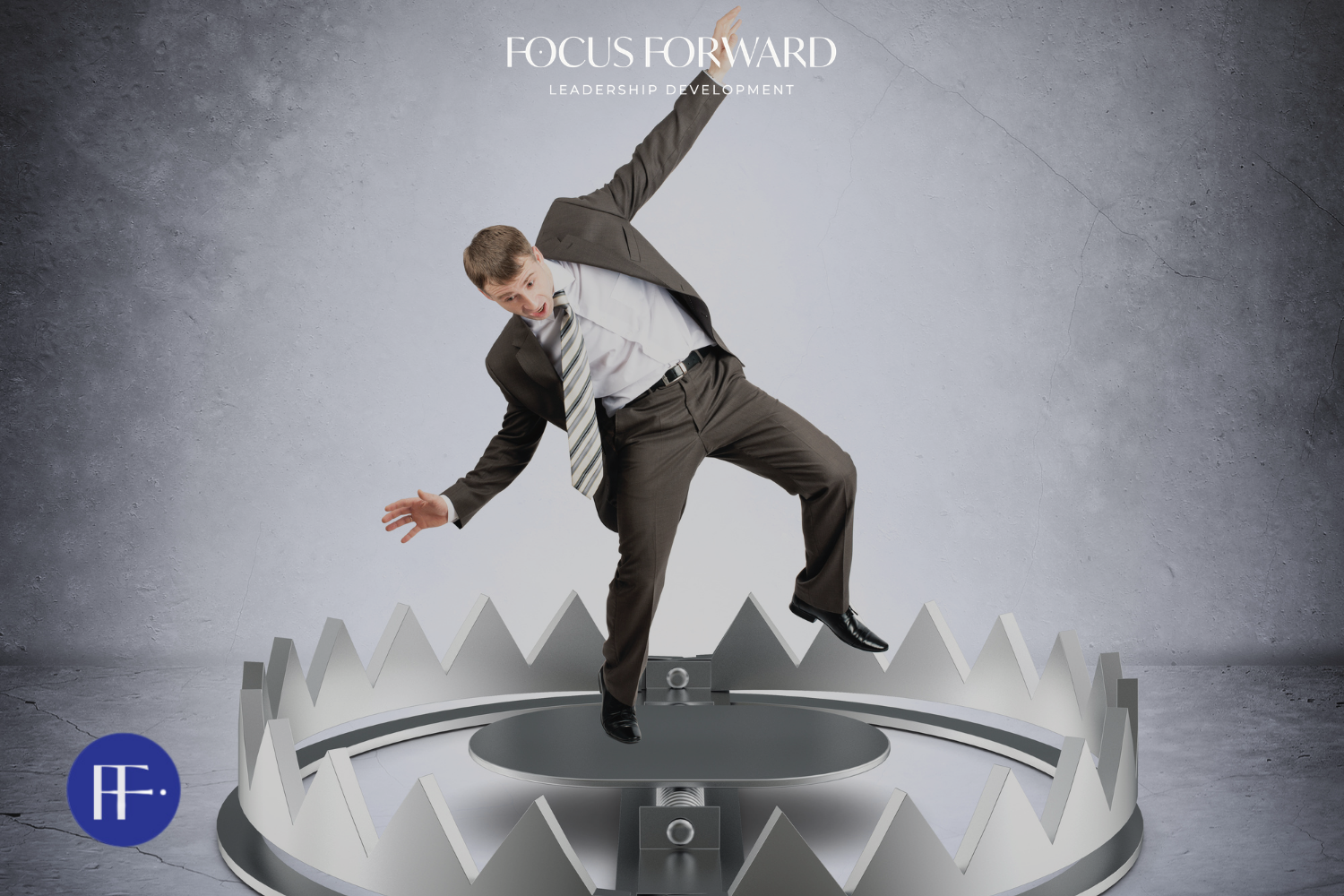
There's a pattern I see again and again with first-time CEOs and CFOs, and it almost always begins the same way.
They were exceptional at what they did before the title arrived. High performers. Decisive. Relentlessly focused on results. The kind of people their organizations couldn't afford to lose - so they moved them up. Into the room where the bigger decisions get made, where more people are watching, where the stakes are higher and the feedback loops are longer.
And something unexpected happens.
The habits that made them great - the directness, the high standards, the intolerance for excuses - start quietly working against them.
When execution habits become leadership liabilities
The shift is rarely dramatic. It usually shows up in small moments.
A team member misses a deadline, and the leader's first instinct is frustration rather than curiosity. A project stalls, and the conversation turns quickly to disappointment and judgment of what others aren't doing - rather than an honest look at what expectations were actually communicated. A pattern of underperformance repeats, and the leader is genuinely puzzled: I've been clear. Why isn't anything changing?
What's happening beneath the surface is this: high-performing doers are trained to see problems clearly and solve them quickly. That's the skill that got them promoted. But when the "problem" is a person - their confusion, their resistance, their unspoken needs - that same directness can close the very conversations it's trying to open.
Expressing disappointment without curiosity doesn't create accountability. It creates defensiveness. Judging behavior without understanding context doesn't inspire change. It inspires people to manage perception instead. It becomes a threat to their identity.
And the leader, watching this play out, often becomes even more frustrated. Because they're trying. They're being honest about their expectations. They're not sugarcoating things. So why aren't people meeting the bar?
What nobody told them
Here's the part that stays with me most in this work.
The leaders I'm describing are not unkind people. They care about their teams. They want to be good leaders. They are, in many ways, trying harder than they're given credit for.
But they were never given the tools.
They were handed authority without being taught influence. Given a title without being shown how to have the hard conversations that actually move people - not just deliver a message, but genuinely change how someone thinks and behaves. Promoted into complexity without being equipped to sit with it.
This is one of the most common and most preventable leadership gaps I encounter. And it's not the leader's fault. Somewhere along the way, their organization decided that performance was sufficient preparation for leadership. It almost never is.
The moment something shifts
The work of undoing these habits is slow. I want to be honest about that. These patterns were built over years of being rewarded for a particular way of operating. They don’t correct themselves with a single or series of training classes or dissolve in a coaching session or two.
What I watch for… and what I've come to recognize as the turning point - is the moment a leader begins to ask a different question.
Not why aren't they doing better? but what part did I play in this?
Not how do I make them understand? but what might I be missing about their experience?
That shift - from judgment to inquiry, from certainty to curiosity - is where real leadership begins. It's not comfortable at first. For people who have built their careers on knowing the answer quickly and acting on it, sitting in a question feels counterintuitive. Almost weak.
It isn't. It takes more courage to ask a genuine question than to deliver a verdict. It takes more skill to hold someone accountable with care than to express disappointment and hope they rise to meet it.
What this looks like in practice
I work with leaders through this transition in very practical terms, not abstract frameworks, but the real moments that are sitting on their desks right now.
What does success actually look like in this team member's behavior - specifically enough that both of you would recognize it?
What is the true objective of the hard conversation you've been putting off - what do you want the other person to walk away with?
How do you want them to feel when it's over? How do you want to feel when it’s over?
That last two questions tend to land hard with high-performing leaders who are used to measuring outcomes, not feelings. But it matters more than almost anything else. Because how someone feels at the end of a difficult conversation determines whether they lean in or shut down. Whether they take the feedback and use it, or file it away as evidence that this isn't a safe place to be honest.
A note for leaders reading this
If you were promoted into a leadership role without ever being formally taught or supported in how to lead people - you are not behind. You were not overlooked. You were simply never given what you needed.
That's not a character flaw. It's a gap, and gaps can be closed.
Awareness is the beginning of everything. The fact that you're reading this, thinking about your team, wondering why things aren't landing the way you intend… that instinct matters. Follow it!
The leaders I work with who make the most meaningful progress are not the ones who had it figured out from the start. They're the ones who were willing to look honestly at the habits they'd built, tolerate the discomfort of changing them, and keep going even when the progress felt invisible.
That's what real leadership development looks like. And it's available to anyone willing to start.
